Jun 30, 2026Material Notes
How to Choose the Right LED Display Product
Choosing the right LED display depends on application, viewing distance, installation environment, brightness, maintenance method, and budget. This guide helps buyers select the most suitable product.
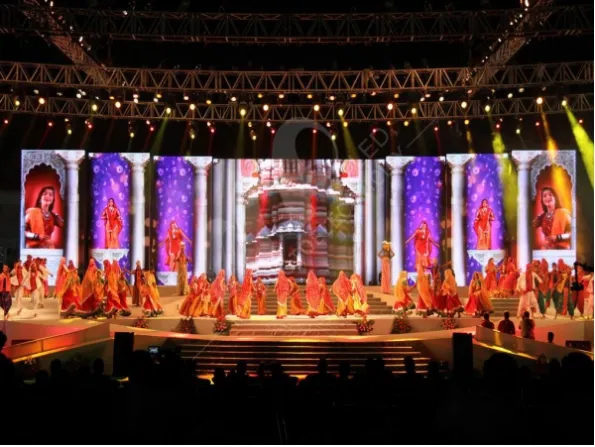
How to Choose the Right LED Display Product
Choosing the right LED display product is an important step in ensuring the success of your project. With so many options available on the market, it is essential to understand the key factors that affect performance, appearance, and long-term value.
Whether you need a display for indoor advertising, outdoor promotion, stage rental, or a commercial installation, the right choice should match your project requirements, environment, and budget.
1. Define the Application First
The first step is to understand where and how the LED display will be used.
- Indoor use: Suitable for meeting rooms, shopping malls, control centers, retail stores, and exhibitions
- Outdoor use: Designed for billboards, building facades, public spaces, and large advertising projects
- Rental use: Ideal for stage events, concerts, trade shows, and temporary installations
- Fixed installation: Best for long-term commercial or architectural projects
Different applications require different product structures, brightness levels, and maintenance methods.
2. Choose the Right Pixel Pitch
Pixel pitch is one of the most important technical factors when selecting an LED display. It refers to the distance between two LED pixels.
- Smaller pixel pitch means higher resolution and better image clarity for close viewing
- Larger pixel pitch is more suitable for long-distance viewing and larger screens
If your audience will be close to the screen, choose a finer pixel pitch. If the screen will be viewed from farther away, a larger pixel pitch may be more cost-effective.
3. Consider the Viewing Distance
Viewing distance directly affects the choice of pixel pitch and screen size.
For close-up indoor use, such as conference rooms or control centers, a high-resolution display is recommended. For outdoor advertising or large venues, viewers are usually farther away, so a different pixel pitch may work better.
A good LED display should provide clear image quality at the expected viewing distance without unnecessary cost.
4. Check the Brightness Requirement
Brightness is especially important for outdoor LED displays. The screen must remain visible under sunlight and changing weather conditions.
- Indoor displays usually require lower brightness
- Outdoor displays need much higher brightness for daylight visibility
Choosing the correct brightness level ensures that the display performs well in the intended environment.
5. Decide on Maintenance Method
Maintenance is another key factor to consider.
Some LED displays support front service, which makes maintenance easier from the front side of the screen. Others use rear service, which may be more suitable for certain installation conditions.
You should choose the maintenance method based on:
- available installation space
- service access
- project environment
- long-term operation convenience
6. Think About Installation Type
LED displays can be installed in different ways depending on the project.
- Fixed installation for long-term use
- Rental installation for temporary events
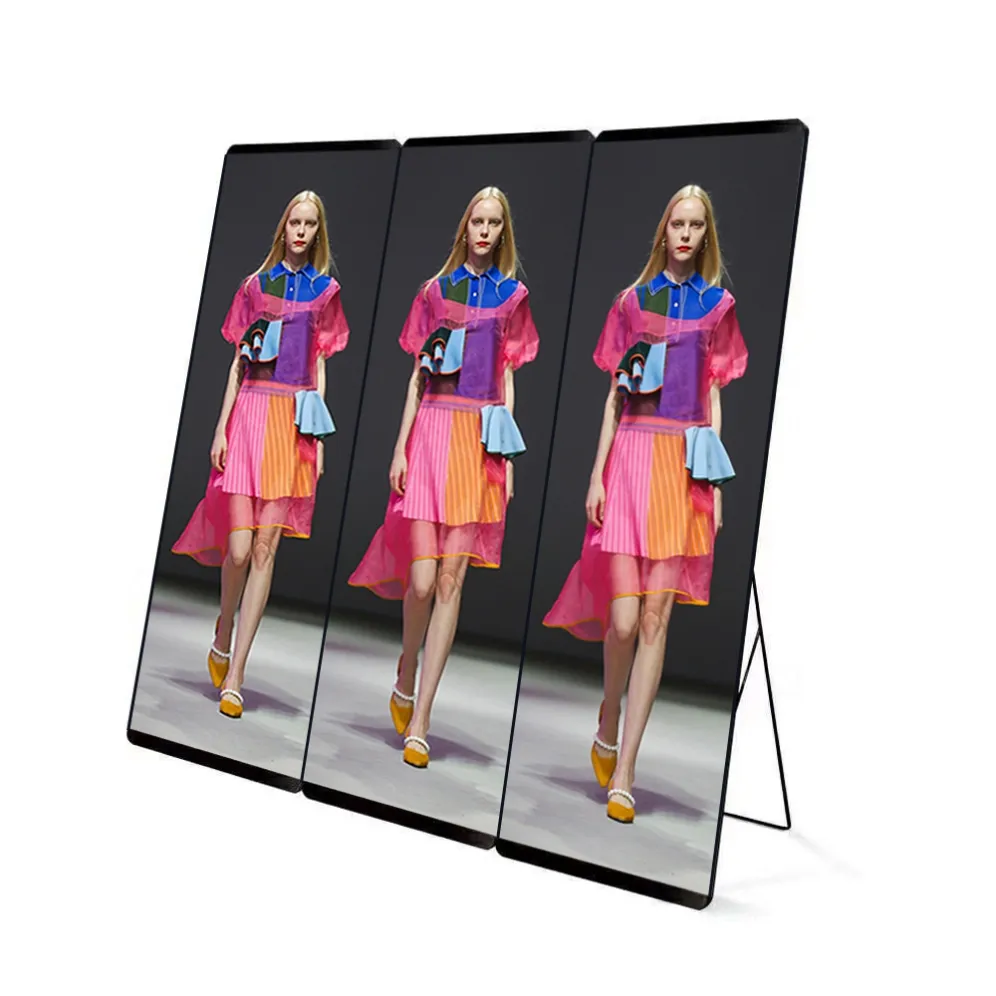
- Wall-mounted, floor-standing, or hanging structures depending on the scene
Before selecting a product, make sure the installation method matches your site conditions and technical requirements.
7. Review Product Quality and Reliability
A high-quality LED display should offer stable performance, consistent color, and reliable operation. When comparing products, pay attention to:
- cabinet structure
- heat dissipation
- control system
- waterproof performance
- quality of components
- long-term stability
A trustworthy LED display manufacturer should provide clear specifications, strict quality control, and technical support.
8. Consider Your Budget and Long-Term Value
Price is important, but it should not be the only factor. A lower-cost product may not always provide the best long-term value.
When evaluating LED display products, consider:
- initial investment
- maintenance cost
- energy efficiency
- service life
- after-sales support
A suitable product should balance performance, durability, and total project cost.
Conclusion
Choosing the right LED display product requires a clear understanding of your application, viewing distance, brightness needs, installation conditions, and budget. By selecting the right product from the beginning, you can improve display performance, reduce maintenance problems, and achieve better project results.
If you are looking for a professional LED display manufacturer, Shenzhen Xinled Optoelectronics Technology Co., Ltd. can help you find the right solution for your project.